A Rise In Hoarding Cases
Animal hoarding is a growing concern in Singapore. It involves keeping a large number of animals without the capacity to meet their basic needs. This includes access to proper food, water, shelter, hygiene, and medical care. Over time, these situations often result in severe neglect, deteriorating living conditions, and suffering for both animals and their caregivers.
It is important to note that what is visible in photos or reports often only scratches the surface. Some hoarding cases are far more severe, involving extreme neglect. In past instances, rescuers have discovered decomposed, maggot-filled carcasses in the same home as living animals. These cases highlight the urgent need for early detection, intervention, and support for both animals and caregivers.
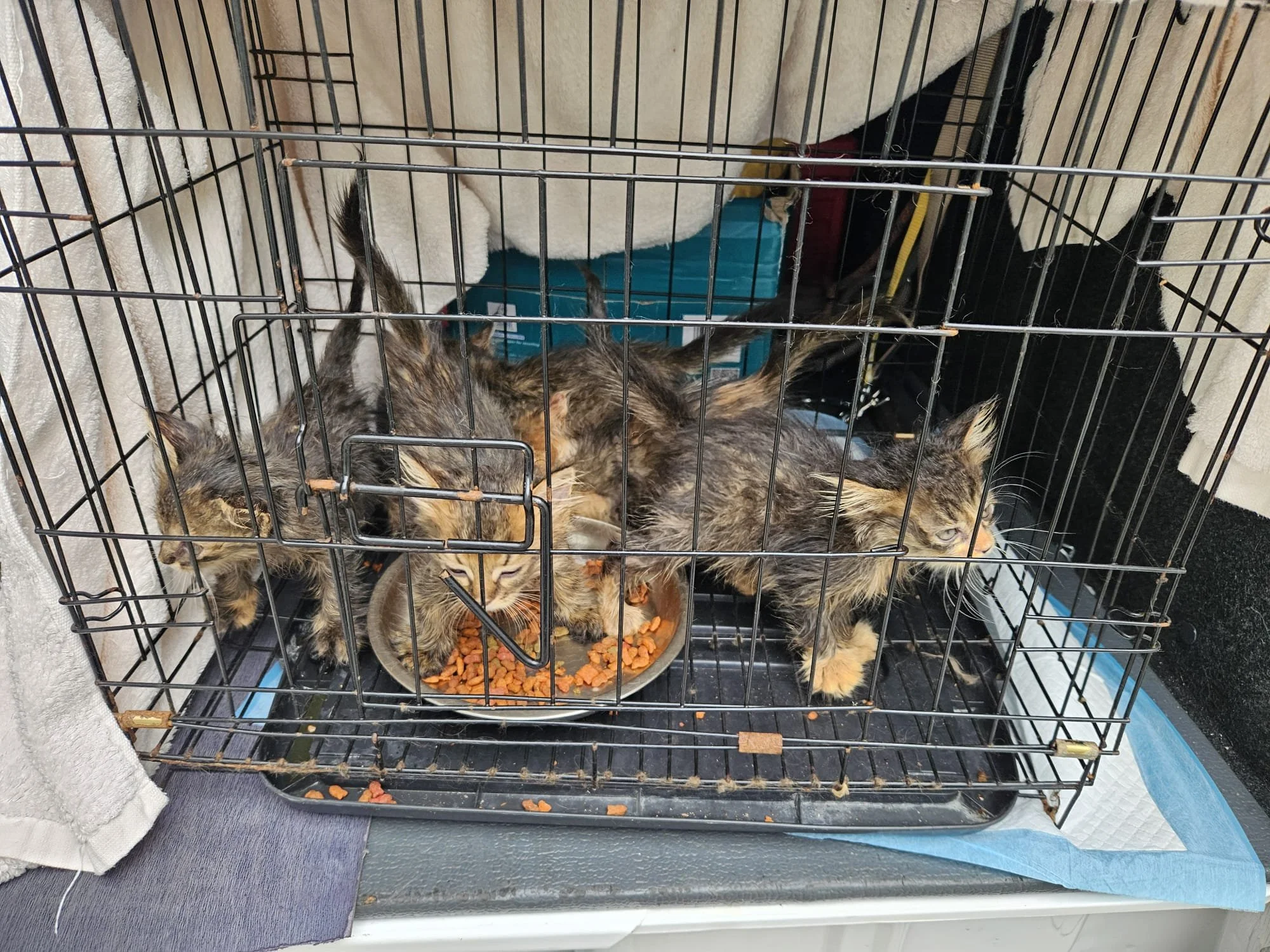
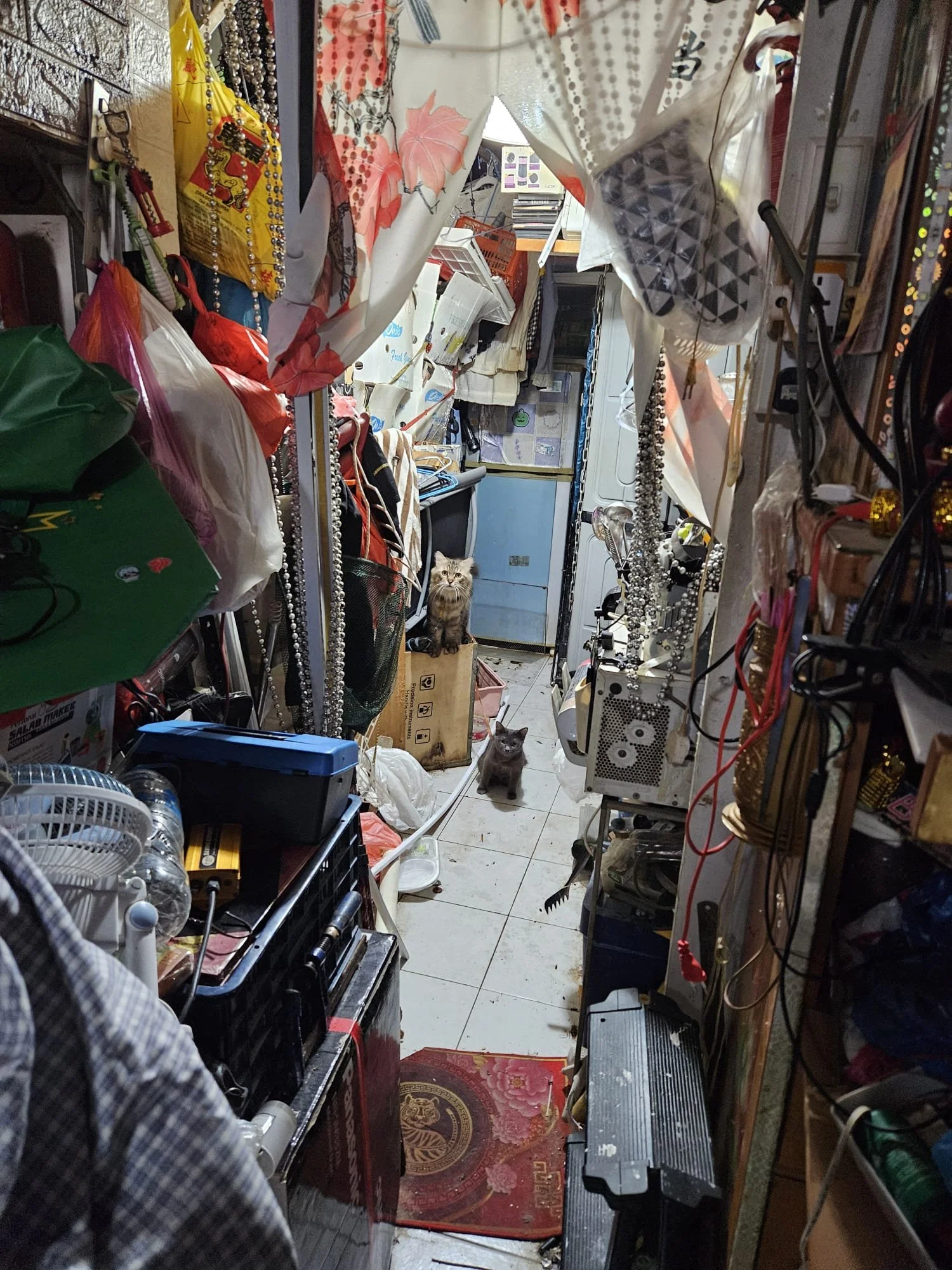
Though cats are the most commonly hoarded animals, many other species are involved in such cases. Dogs, birds, rabbits, hamsters, and guinea pigs have all been rescued from hoarding environments across the country.
What Animal Hoarding Looks Like in Singapore
Animal hoarding is not limited to large houses or farms. In many cases, these animals are hidden inside small HDB flats, studio apartments, or condominium units. Caregivers often start with good intentions, taking in a few animals in need. Over time, without sterilization, numbers increase. Eventually, they lose control. Most hoarding cases are discovered only after neighbors report strong smells, loud noises, or pest infestations.
Real-Life Cases in Singapore
Case 1: Over 200 Cats in Hougang (2023)
In 2023, more than 200 cats were found in a flat in Hougang. The cats were living in extreme overcrowding with poor air circulation. Many had untreated respiratory infections, wounds, and skin conditions. The elderly caregiver refused help for years and genuinely believed she was protecting the animals. It took weeks of coordinated rescue efforts by multiple animal groups to remove the cats and begin rehabilitation.
Case 2: 94 Cats in a Two-Room HDB Flat (2024)
In another case, AVS removed 94 cats from a two-room HDB flat. The space was filled with urine, feces, and clutter. Cats were nesting in ceilings, drawers, and cardboard boxes. Most had not been sterilized, leading to generations of inbreeding. Several cats needed urgent medical attention. The caregiver was cooperative but overwhelmed and emotionally dependent on the animals.
Case 3: 40 Rabbits in a Condominium (2022)
In 2022, over 40 rabbits were discovered living in poor conditions in a condominium unit. They were kept in stacked cages, plastic tubs, and even in boxes without ventilation. Some suffered from injuries, malnutrition, and infections. The caregiver had adopted the rabbits over time and was unable to cope with their increasing needs.
Case 4: 70 Birds and Small Animals in a Studio Apartment (2021)
A studio apartment in the eastern region housed more than 70 small animals including parakeets, guinea pigs, and hamsters. These animals were kept in crowded cages with minimal food and dirty water. Many suffered from untreated wounds and respiratory issues. Neighbors reported foul smells and persistent chirping. AVS intervened, and several animals required long-term care.
Why Animal Hoarding Happens
Animal hoarding is not simply about irresponsibility. It is usually linked to deeper psychological and social challenges. These include:
Mental health conditions such as obsessive-compulsive disorder, anxiety, or depression
Past trauma or grief, such as the loss of loved ones
A desire to rescue or protect animals, especially strays
Fear of being judged or losing the animals, leading to denial
Lack of social support, especially for elderly or isolated individuals
Financial hardship, which prevents proper care and sterilization
In almost all cases, the caregivers did not intend to cause harm. Many are emotionally attached to their animals and believe they are doing the right thing.
The Impact on Animals
Animals in hoarding cases endure a wide range of physical and emotional suffering, including:
Starvation or irregular feeding
Severe parasite infestations, such as fleas, mites, and worms
Respiratory infections due to high ammonia levels from accumulated urine
Skin diseases, wounds, or untreated injuries
Inbreeding complications from unsterilized animals
Extreme fear or aggression, especially in animals born in confinement
Lack of socialization, making them harder to rehome
Animals rescued from hoarding cases require long-term rehabilitation. Some are too sick to recover. Others need months of patient foster care before they can be adopted.
The Impact on Caregivers
The people behind hoarding cases often experience:
Mental and emotional breakdowns
Social isolation, especially from family or neighbors
Fear of being punished or exposed, which prevents them from seeking help
Eviction or legal action
Shame, guilt, and loss, especially if animals are removed
Compassionate intervention is necessary. Support for caregivers should include mental health services, financial counselling, and social work assistance.
Signs of Animal Hoarding
Recognizing the warning signs can help catch cases earlier. Look out for:
A home with an unusually high number of animals
Strong, persistent odors
Animals that look underfed, injured, or unkempt
Caregivers who seem overwhelmed or refuse help
Lack of visible food, water, or clean bedding
Frequent sounds of animals coming from a single unit
Windows and doors that are always shut or covered
Complaints from neighbors about pests or noise
What You Can Do If You Suspect a Case
If you suspect a case of animal hoarding:
Do not confront the caregiver directly. These are sensitive situations that need professional handling.
Report it to the Animal and Veterinary Service (AVS) under NParks.
Reach out to local animal welfare groups like SPCA, Cat Welfare Society, or Causes for Animals.
Document what you observe if it is safe to do so. Photos and notes can help investigations.
Follow up if you notice no change over time.
Your report can help save animals and connect caregivers with the support they need.
How You Can Help
You do not need to be a rescuer to make a difference. Here are ways you can contribute:
As a member of the public:
Learn about responsible pet ownership and share it with others
Volunteer at shelters and animal welfare groups
Donate to cover rescue, medical, and sterilization costs
Encourage adoption instead of buying from breeders
Support sterilization programs in your neighborhood
As a community:
Organize educational talks or workshops on animal care
Share resources with vulnerable individuals who might be struggling
Alert town councils or grassroots leaders when you see early signs
Why Sterilization Is Key
Sterilization is one of the most effective tools in preventing hoarding situations. It:
Reduces overpopulation
Prevents behavioral problems such as roaming or aggression
Lowers the risk of infections and certain cancers
Helps caregivers manage animal numbers responsibly
Reduces pressure on shelters and rescues
Programs like Cat Welfare Society’s Trap Neuter Return Manage (TNRM) initiative help control stray cat populations and prevent escalation into hoarding.
The Bigger Picture
Animal hoarding is not only an animal welfare issue. It affects public health, mental wellness, housing safety, and community trust. These are not isolated incidents. They reflect systemic gaps in social support, healthcare access, and community education.
Every hoarding case is a call to act—not just to rescue, but to reform. With a holistic, compassionate, and community-led approach, we can ensure no animals suffer in silence, and no person is left to struggle alone.
