🌍 Beyond the Straw
We have all seen the video by now, a plastic straw painfully lodged in a sea turtle’s nose, blood dripping as marine biologists struggle to remove it. It was heartbreaking. It was horrifying. But it worked.
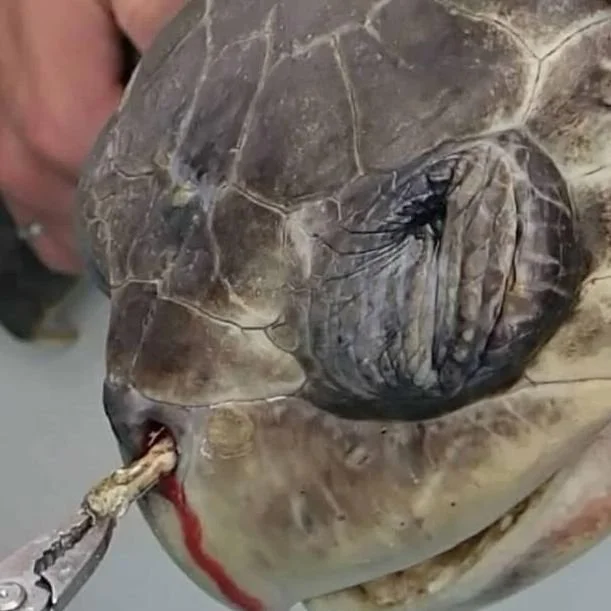
Overnight, people abandoned plastic straws. Cafés switched to paper, stainless steel became trendy, and refusing a straw became a badge of honour.
But here is the problem:
We cannot keep waiting for the next viral tragedy to change our habits.
Straws were just the tip of the iceberg. Plastic bags still float into oceans. Cheap clothes still pile up in landfills. Wildlife still dies every day, entangled in waste we threw “away.”
Yet many of us wait for another video, another headline, another heartbreak to remind us to care again.
But the planet doesn’t have that kind of time. Neither do the animals suffering silently, unseen.
🛒 We Live in a Throwaway Culture
From takeaway cups to fashion hauls, tossing things out without a second thought has become normal. But here is the truth: trash does not just disappear.
Every item we discard has a destination and more often than not, it ends up harming animals, polluting nature, and contributing to climate change.
Do you really need a brand new outfit for every wedding invitation or festival?
Do you really need that limited edition item in five different colours?
Do you need to update your home décor every time a trend shifts?
These are not just purchases. They are part of a bigger system, overconsumption that is fueling the planet’s decline.
🌐 The Global and Local Waste Crisis: By the Numbers
Over 11 million tonnes of plastic waste enter the world’s oceans each year.
85% of textiles end up in landfills or incinerators globally.
1.3 billion tonnes of food, one-third of all produced is lost or wasted annually.
Most cities cannot cope. Infrastructure lags behind. Trash leaks into oceans, forests, and urban corners alike.
🇸🇬 Singapore’s Waste Challenge: Incineration, Landfill Limits, and Animal Impact
Singapore incinerates about 7,200 tonnes of waste daily, producing ash that ends up at Semakau Landfill which may reach capacity in 15–20 years.
Despite a clean image, Singapore generates one of the highest per capita amounts of waste in the world.
And while we incinerate most waste, pollution still finds its way into native ecosystems, harming local species.
Local Habitats at Risk:
Sungei Buloh Wetland Reserve: Home to otters, migratory birds, mudskippers, all vulnerable to water pollution.
Bukit Timah Nature Reserve: Houses the rare Raffles’ banded langur and dozens of threatened flora/fauna.
Pulau Ubin & Chek Jawa: Coastal wildlife face plastic, chemical, and noise disruptions.
Singapore Freshwater Crab: Endemic and endangered, habitat degradation and polluted water threaten its survival.
🐾 Trash Is Not Harmless: It Is Deadly
Plastic bags and wrappers are mistaken for food by turtles and whales, leading to choking or starvation.
Mask loops and plastic rings entangle birds and small mammals.
Shards and cans cut through paws and wings.
Microplastics enter fish, water, and our own food.
🍽️ Food Waste: A Hidden Environmental Cost
Produces methane in landfills, worse than CO₂
Wastes water, land, and energy used to produce it
Attracts wildlife to dangerous urban areas, leading to conflict
Could have fed shelters or communities in need
🐾 How Litter and Food Waste Harm Animals
Spoiled food causes illness or poisoning
Ingested packaging causes blockages
Litter alters ecosystems and introduces invasive species
Even biodegradable scraps in the wrong place can disrupt habitats
♻️ How to Throw Away Responsibly
Broken glass: Wrap in paper, label, and place inside a container
Cans: Rinse and flatten
Plastic loops: Cut them before discarding
Single-use plastics: Replace with reusable bags, containers, bottles
Eco-bricks: Stuff soft plastics into clean plastic bottles to prevent leakage into nature
🧘♀️ Simple Green, Mindful Living
At the root of it all is overconsumption. We are buying more than we need — and the Earth is paying for it.
Mindful living isn’t about perfection. It’s about pausing before we purchase, choosing intentionally, and consuming less.
Ask Yourself:
Do I really need this new item?
Can I reuse or repurpose what I already own?
How was this made and where will it end up?
Everyday Shifts:
Wear what you already own. Re-wear that festival outfit. Repurpose that wedding look.
Skip fast fashion hauls.
Say no to freebies you don’t need.
Think long-term, not instant gratification.
🌿 Sustainable Swaps and Brands to Explore
🧵 Clothing
Swapaholic – Swap instead of shop
SUI – Ethical, nature-inspired fashion
The Tinsel Rack (Re-Loved) – Resale program for pre-loved fashion
Thought – Organic and eco-friendly fabrics
Kiboots – Upcycled, slow fashion
🧼 Home & Packaging
Scoop Wholefoods – Bulk refillables with no packaging waste
The Sustainability Project (SG) – Reusables and compostable swaps
EcoNest – Biodegradable bin liners and packaging
Seastainable Co. – Ocean-positive daily products
GreenSpade – Home composting kits and soil enrichers
💡 What You Can Do — Starting Now
Bring your own reusable shopping bags
Ditch single-use plastics and cut mask straps
Swap clothes with friends instead of buying new
Donate or repurpose old clothes — even into pet bedding
Shop packaging-free or refill stores like Scoop
🌍 Small Actions, Big Ripples
One cut plastic loop.
One stitched shirt.
One eco-brick bottle sealed tight.
One festival outfit re-worn with pride.
It may feel small, but it’s never insignificant.
Let’s stop letting trash be a silent killer. Let’s live intentionally. Let’s protect the animals, ecosystems, and generations who depend on the choices we make today.
Because the truth is nothing we throw away ever truly goes away.
