The Hidden Cost of Pet Shops
At first glance, pet shops look like wonderlands for animal lovers, cages filled with fluffy hamsters, colorful fish darting through tanks, and social media flooded with pictures of exotic pets promising joy and companionship but beneath this glossy surface lies a troubling reality.
Thousands of animals suffer every year in the shadows of the pet industry, trapped in cramped cages, bred in mass factories, and subjected to neglect and cruelty all for the sake of profit.
The Harsh Journey from Breeder to Shop
Transportation is a perilous part of the journey. Animals are often packed into overcrowded, poorly ventilated vehicles. Stress, dehydration, injury, and disease are common. Many sick or injured animals are euthanized rather than cared for, a silent crisis few customers ever see. In 2023 alone, over 30 cases of smuggling involving pets and exotic animals were detected at Singapore’s checkpoints and across various premises.
March 2023: 337 birds were illegally imported. Two men received 60 and 72 weeks' jail — the harshest sentences to date for such offences.
June 2023: Six puppies and two kittens were found in a modified fuel tank — the kittens crammed into nylon bags. The driver was jailed for 26 weeks.
August 2023: A man caught smuggling 10 puppies and three kittens was sentenced to 40 weeks’ jail in November.
💔 Real Story: The Malamute Who Walked on His Elbows
An illegally imported Alaskan Malamute appeared healthy until he tried to walk. Generations of inbreeding had left his legs so deformed that he could only crawl on his elbows. Despite intensive medical intervention, the emotional and financial toll on the adoptive family was immense. His story is not unique. This is the hidden cost of demand, the price animals pay for human desire.
Public Health and Conservation Risks
These cases are not only breaches of animal welfare laws, they also endanger public health and undermine international conservation efforts.
Illegally imported animals bypass biosecurity checks, putting the country at risk of zoonotic diseases such as rabies, monkeypox, and canine parvovirus. In one tragic case, 19 of 26 puppies smuggled into Singapore died from canine parvovirus, a preventable disease.
A Business Built on Profit, Often at the Animals’ Expense
Pet shops are businesses and sadly, profit often comes before welfare. Behind many small animals is a hidden supply chain of “mills,” large-scale breeding facilities where animals are crowded together, forced to reproduce repeatedly and kept in unsanitary, stressful conditions. These practices lead to genetic problems, shortened lifespans, and widespread illness.
Once these animals arrive at pet shops, conditions often don’t improve. Tiny cages, bare of any enrichment, keep animals confined and stressed. Unsanitary enclosures contribute to respiratory and skin diseases. For many, these cramped conditions are all they ever know.
Fish: Silent Victims of Neglect
https://vt.tiktok.com/ZSBTPPgfo/
Fish, often overlooked, face some of the worst conditions. Overcrowded tanks with dirty, unfiltered water are common. Dead fish sometimes remain in tanks, poisoning the environment. Sick fish are sold with visible diseases like fin rot. Bare tanks offer no hiding places, causing stress and aggression.
Experts say the solution lies in proper tank sizes, regular health checks, and better-trained staff. But until these happen, fish will continue to suffer in silence.
The Illusion of “Easy” Pets
Buyers are often lured in by the promise of “low-maintenance” pets. Hamsters, rabbits, and fish are marketed as simple companions, but their needs are far more complex than the average consumer realizes.
Did you know that hamsters require at least 450 square inches of space and deep bedding to burrow? Or that goldfish and bettas need filtered tanks, rather than tiny bowls, to thrive?
Unfortunately, many pet shops sell inadequate cages and harmful accessories, without educating buyers on proper care. This lack of information sets many new owners up for failure.
What Happens When the Newness Wears Off?
Many owners find themselves unprepared. Pets are neglected through poor diet and lack of veterinary care. Some are abandoned, released into the wild or dumped at shelters. This abandonment harms local ecosystems and burdens animal welfare organizations already stretched thin.
Uncle Toh came to the SPCA in May 2025, believed to have been either lost or abandoned. Sadly, no one stepped forward to claim him, but we are determined to give this sweet boy the second chance he deserves.
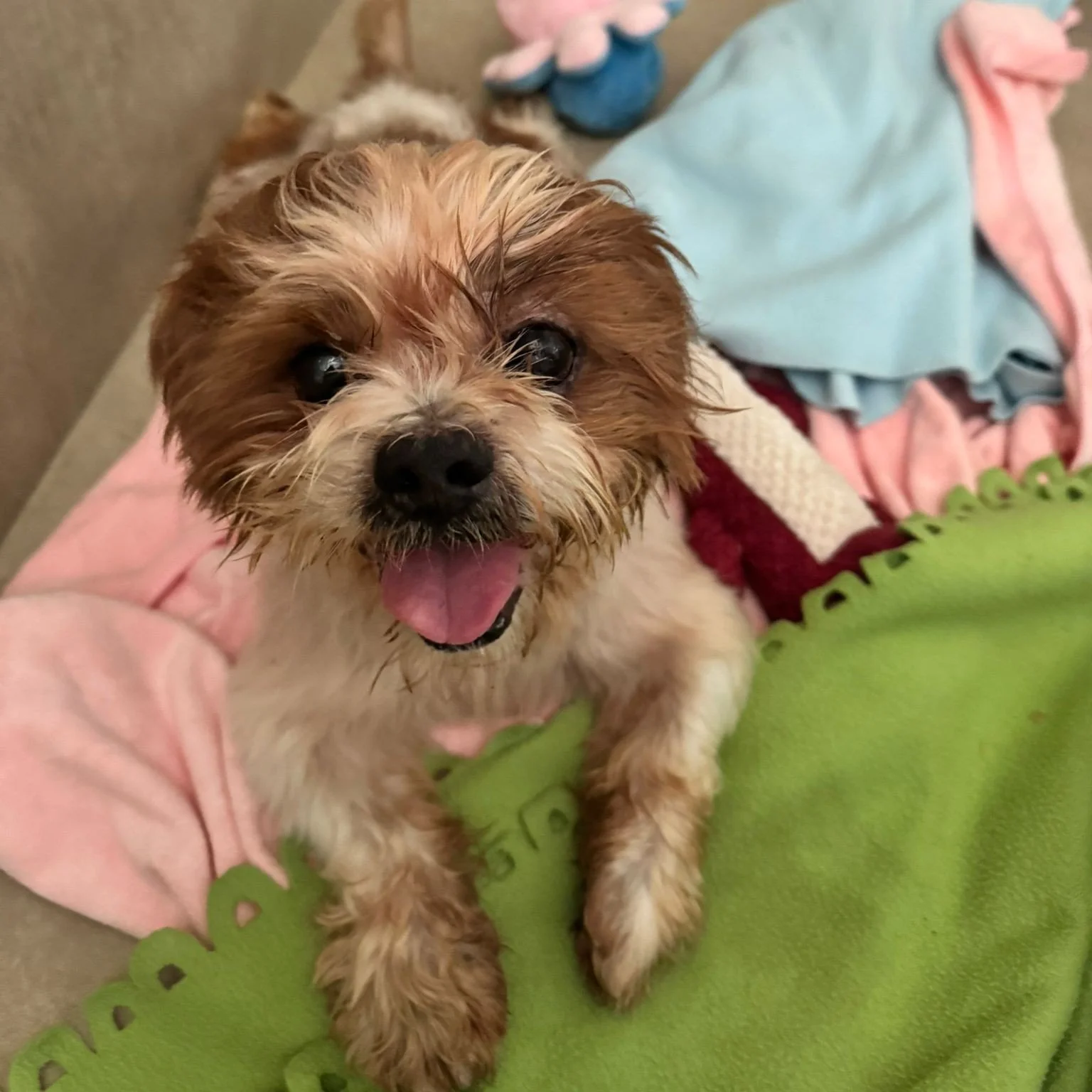
Medical checks revealed that Uncle Toh has osteoarthritis, which causes him to limp from time to time, as well as possible keratoconjunctivitis sicca (KCS), an eye condition that may eventually require surgery. He also has a few sensitive spots around his belly and ribs; when touched there, he may air snap. Because of this, Uncle Toh is not suitable for carrying or cuddling — he is happiest when given space to relax on his own terms.
Despite these challenges, Uncle Toh is a gentle and affectionate boy. He absolutely loves treats, enjoys quiet companionship, and thrives in a calm environment where he feels safe. With patience and understanding, he will bring warmth, quiet joy, and companionship to the right foster home.
Unfortunately, Uncle Toh’s story is not uncommon. Dogs like Shih Tzus are often purchased on impulse, without much thought about the lifelong commitment involved. As they grow older, they may develop breed-related health issues such as heart murmurs, brachycephalic breathing difficulties, eye problems (dry eye, corneal ulcers, cataracts), dental disease, patellar luxation, spinal issues like IVDD, skin allergies, and ear infections. Behaviorally, they can also be prone to separation anxiety, stubbornness, excessive barking, resource guarding, and challenges with house training.
When owners are unable or unwilling to manage these needs, the dogs are abandoned, leaving shelters like ours to care for them. With limited space and manpower, this puts a heavy strain on the resources available to help all the animals in need.
Before bringing a dog into your life, we urge you to research the breed thoroughly. Understand the potential health challenges, the behavioral tendencies, and what day-to-day care will require. Being honest about your lifestyle and preparedness can mean the difference between a dog being cherished for life — or ending up in a shelter like Uncle Toh.
A little preparation at the start can make all the difference. Responsible choices save lives.
Legislation and Enforcement Updates
In 2025, Singapore introduced significant amendments to the Animals and Birds Act to strengthen animal welfare protections. Key changes include:
Increased penalties: Higher fines and longer jail terms for acts of cruelty, neglect, or abandonment. Repeat offenders may face enhanced penalties.
Expanded definitions of cruelty: Explicit coverage of emotional and psychological abuse, including long-term neglect and causing distress through poor living conditions.
Improved enforcement tools: The Animal and Veterinary Service (AVS) has more authority to conduct proactive investigations and intervene in suspected abuse cases without a formal complaint.
Whistleblower protection: Enhanced privacy and protection for individuals reporting animal abuse .
Pet Ownership Education Programs
To promote responsible pet ownership, AVS has implemented several educational initiatives:
Pet Ownership Course: A mandatory online course for first-time cat or dog license applicants, covering topics like pet care, health, responsible ownership, and relevant legislation. The course is free and takes about 20–30 minutes to complete .
Educational Resources for Schools: AVS collaborates with the Ministry of Education and the Early Childhood Development Agency to incorporate lessons on animal behaviour and responsible pet ownership into school curricula, targeting preschool to primary levels .
Community Outreach: Programs like educational tours and storybook competitions aim to raise awareness and promote empathy towards animals among the public .
Digital Marketplace Challenges
The rise of online platforms has introduced new challenges in regulating pet sales:
Unlicensed Services: Despite regulations, many unlicensed pet boarding services operate online, raising concerns about animal welfare and safety .
E-commerce Platforms: AVS is working with e-commerce platforms to discourage the sale of training devices like shock collars and to promote ethical pet care practices .
Consumer Awareness: The ease of purchasing pets online can lead to impulse buying without understanding the responsibilities involved, contributing to issues like abandonment and neglect .
Regional Threats and International Responsibility
Singapore is a signatory to CITES and plays a critical role in international enforcement efforts. However, much of Southeast Asia still struggles with rampant illegal trade:
Chatuchak Market, Thailand — slow lorises with their teeth removed, turtles in buckets.
Vietnamese temples — release of non-native species causing ecological damage.
Several pet shops in Malaysia have been found selling exotic and wild animals such as meerkats, monkeys, and snakes — species that require specialized care and are often illegal to trade without permits. https://vt.tiktok.com/ZSBTajjQc/
How to Spot an Ethical Pet Shop
Not all pet shops are the same. Some genuinely care about animal welfare and provide responsible services. Here’s how you can tell if a pet shop is ethical and worth supporting:
Transparent Animal Sourcing
The shop openly shares where their animals come from. Ethical shops avoid sourcing from large-scale breeding mills or illegal imports.
They can provide documentation or certificates proving animals are bred responsibly or rescued.
Healthy, Clean, and Enriched Living Conditions
Animals are housed in clean, spacious enclosures appropriate for their species, allowing natural behaviors like burrowing, climbing, or swimming.
Enclosures contain enrichment items like toys, hiding spots, or climbing structures, reducing stress and boredom.
Tanks or cages are regularly cleaned, and animals appear healthy, alert, and active.
Knowledgeable and Caring Staff
Staff members demonstrate good knowledge about the species they sell, including proper care, diet, and behavior.
They are willing to educate customers honestly about the commitment required for pet ownership.
The shop offers or provides resources for buyer education (brochures, websites, or workshops).
Responsible Sales Practices
Ethical shops do not push impulse sales, especially of animals with complex care needs.
They avoid selling animals that are too young, sick, or visibly stressed.
They may require buyers to sign care agreements or complete basic care guides before purchase.
Focus on Welfare Over Profit
Prices reflect quality and care, not just profit margin.
Shops often support adoption or rescue groups, sometimes featuring adoptable animals alongside store animals.
They refuse to sell animals from inhumane mills or illegal sources, even if it means lower profits.
Compliance with Local Laws and Welfare Standards
The shop adheres to regulations on enclosure size, transport, and animal health.
They welcome inspections by animal welfare authorities and have no history of violations.
Red Flags to Avoid
Overcrowded or dirty cages and tanks.
Animals with visible signs of illness or injury.
Staff unwilling or unable to answer basic questions about care.
Aggressive marketing tactics or pressure to buy quickly.
Selling exotic species without permits or proper documentation.
By choosing pet shops that meet these standards, you help promote better welfare across the industry and support shops that truly care about the animals they sell.
📞 Report to:
ACRES Wildlife Rescue Hotline: +65 9783 7782 (WhatsApp, 24/7)
AVS Hotline: 1800-476-1600
NParks Feedback: www.nparks.gov.sg/feedback
A Ray of Hope: Adoption
Fortunately, there’s a kinder alternative: Adoption. Shelters and rescue groups like SPCA Singapore, Purely Adoptions, Oasis Second Chance Animal Shelter (OSCAS), and LUNI Singapore work tirelessly to give abandoned pets a second chance.
Adopting not only saves lives but reduces demand for animals bred in cruel mills.
If you can no longer care for your pet, please try to rehome them responsibly. Reach out to friends, family, or trusted networks first, and if that’s unsuccessful, approach an animal welfare group (AWG) for assistance. By doing so, you help ensure your pet finds a safe, loving home rather than facing unnecessary risk.
Adopting or responsibly rehoming not only saves lives but also reduces the demand for pets bred in commercial mills. Every effort counts in giving animals the second chance they deserve.
A Shared Responsibility
🛑 Don’t fuel demand. Don’t buy illegally imported pets.
💡 What You Can Do:
Adopt, don’t shop. Support groups like SPCA Singapore, SOSD, and Voices for Animals.
Avoid exotic pets — even legally sold ones may have illegal origins.
Say no to animal selfies or wildlife attractions.
Report suspicious activity like animals in boxes on ferries.
